
Yoga (n.) – from Sanskrit yuj, meaning to yoke, join, or unite.
Samatvam yoga ucyate. “Yoga is equanimity.” (Bhagavad Gita 2.48)
When I say I’ve been practicing yoga, I mean I’ve been practicing seeing myself and my life in parts and as a whole – I see myself as a body and a mind and a spirit that speak in different ways but interact with and influence each other constantly. I practice listening to myself by spending time on my mat, time in my body, learning by feeling and knowing by being.
I am currently learning to be a helpful peer writing tutor by learning different parts of writing and the greater whole that they serve. I am noticing that writing serves this practice of self-observation and inner-connection as well. I am seeing something beautiful about writing as a way of being.
Writing offers us a relationship between our inner landscape of thoughts and ideas and the outer world where we can witness ourselves and be witnessed by others. On paper, we can segment that inner world into distinct parts, see how those relate to each other, and what they offer one another. We can even engage and arrange those individual parts into the organization and flow that suits us best, and find the supporting presentation that makes the piece feel whole on its own. The writing process looks a lot like a yoga practice to me.
In fact, viewing writing this way has reminded me why yoga is an ongoing practice at all, why it isn’t simply 60 minutes separate from life itself. As you live and exist in yourself over time, your body ages, your mind changes, yet some greater sense of YOU continues to exist. The self examination can repeat and continue as long as the self exists. As you write your thoughts down, you manifest a part of yourself, and then the mind changes (as minds often do) and the writing you witness no longer looks like you, but in some greater sense of you, it is. Writing makes space for a self that will inevitably change. We can document versions of ourselves that we might otherwise lose, and reflecting on those versions every now and then can inspire a kind of self-respect that honors our growth.
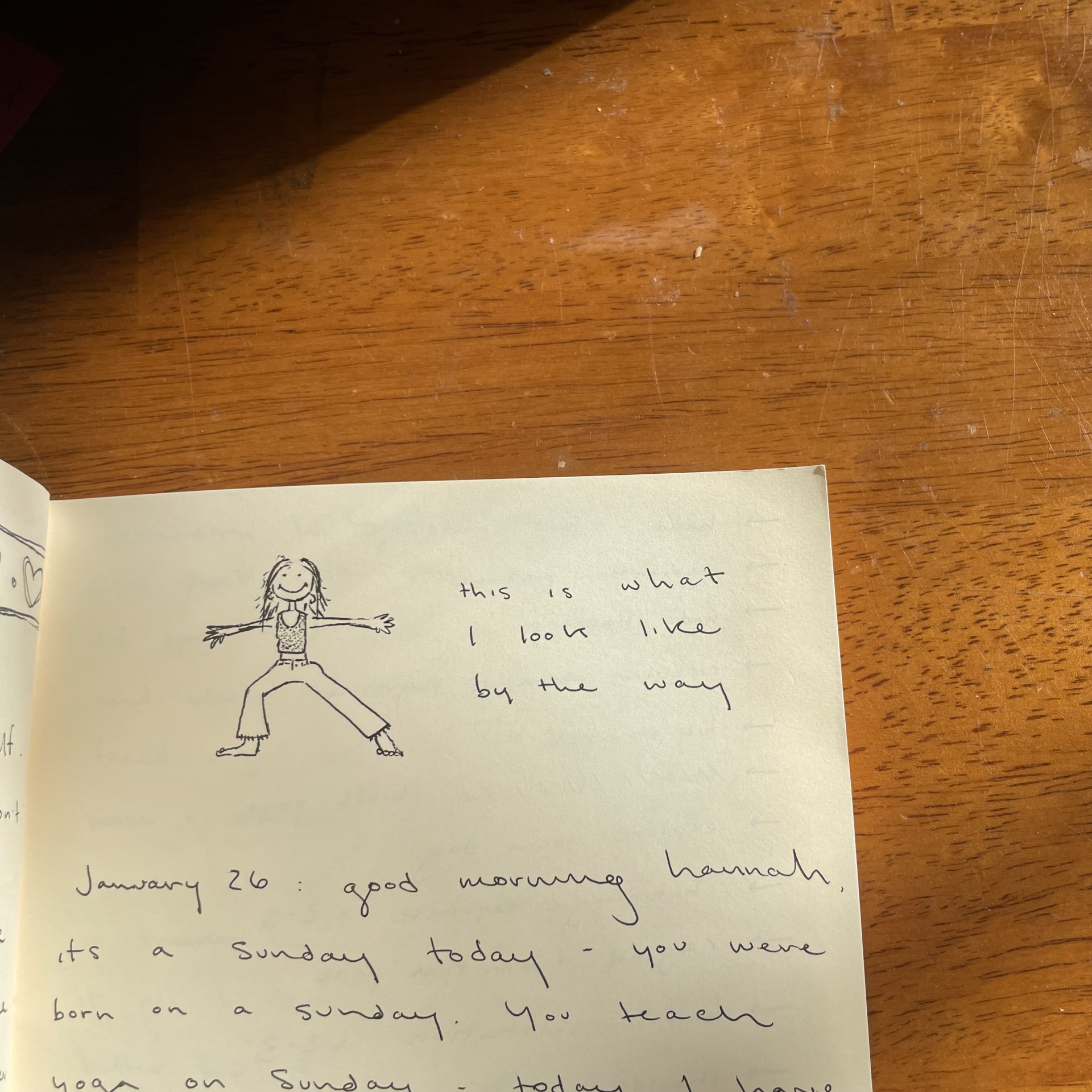
Being is active and dynamic and complex and continuous – and so the practice of trying to be well and be in harmony with one’s self is too. With such a moving target, it is nice to sometimes do this practice with a guide. In the last few years, I’ve been stepping into that role as a yoga instructor. I’ve learned to hold space for each student to explore their complex experience. I’ve developed strategies to demonstrate, inspire, and most importantly, keep students safe. I personally like to teach in a way that encourages independent exploration and embraces intuition. I think I make a good guide, a good hand to hold while you do that vulnerable dirty work of self examination. As I come to understand writing as simply another way of being, I see my role as a peer writing tutor become all the more clear.
A peer tutor can invite a writer into their process of writing; into seeing the relationship between their work and themselves, their piece and the larger whole it fits into. Tutors can inspire writers with strategies and examples and questions. In a sometimes tumultuous process, having a hand to hold goes a long way. Tutors can keep writers focused and calm and offer affirmation to continue the process.
Donald Murray writes about “Teaching Writing as a Process, Not a Product” and says that “instead of teaching finished writing, we should teach unfinished writing, and glory in its unfinishedness” (Murray 4). When we recognize writing as a way of being, we realize it may never be finished. Just like I tell my students as we practice the keen observation of yoga, “there is no right or wrong way to be here, there is simply more or less presence in how it feels to be you, here, now.” Perhaps there is no perfect writing, only more or less authentic, more or less intentionally arranged words to express you, here, now.
In proper yoga instructor fashion, I want to invite you into this practice. You can think about your writing as a way of being, by asking: How does it feel to be you writing? How does your body respond to the ebb and flow of thoughts onto paper? How does the physical movement of writing influence the movement of your mind?
Discover more from UCWbLing
Subscribe to get the latest posts sent to your email.